Visit Dubrovnik
DUBROVNIK
is situated at the far south of
the Republic of Croatia. It is 20,5 km in diameter, stretching from Cape Orsula
in the east to Brsečine in the west, and includes the Elaphite Archipelago
(islands of Šipan, Lopud, Koločep, Olipe,Tajan and Jakljan). There are 31
settlements and 47,004 inhabitants located over a total area of 143.35 km2,
with an average population density of 328 / km2.
Climate
The geographical position of this
region is typically Mediterranean, with mild and damp winters, and hot humid
summers (2,600 sunny hours). The annual average rainfall is 1,250 mm. The
average air temperature is 17°C and the summer sea temperature is 21°C. There
are many sunny days during the winter months. The gentle wind Maestral - the
messenger of lovely weather, refreshes the average summer temperature of 25°C.
During the cooler months, the Bura and Yugo winds prevail.
Flora & fauna
Our coastline is beautiful,
dotted with bays, beaches, steep cliffs and numerous forested islands. There is
a great variety of flora, dominated by cypress, pines, olive groves, vineyards,
and lemon and orange plantations. The aromatic plants and flowers, as well as
exotic plants such as palm trees, agaves and cactuses, create a unique
atmosphere. Nature lovers will find a real Mediterranean landscape here.
Sailing enthusiasts will discover beautiful seas and marinas. Book Dubrovnik
ZATON
is a charming and picturesque, 2
km long bay, a destination for anyone wanting a swim on a pebbly beach or rocky
crags, or those seeking sunshine or shade under old pine trees, walks along the
shore, or small, cozy restaurants by the sea where one can savor Dubrovnik and
Dalmatian specialties. There are three settlements scattered along the
irregular shoreline of the bay: Veliki Zaton, Mali Zaton and Štikovica. A natural
sight is the freshwater source Vrelo, located at the end of the bay, whose
waters once moved mills.The intriguing Renaissance summer manors of former
Dubrovnik aristocratic families are a historical sight that make Zaton
recognizable as a Dubrovnik summer manor region. Zaton is located 10 km away
from the city of Dubrovnik. Cheap Places To Stay In
Croatia
ORAŠAC
is a larger settlement located
above the Adriatic motorway. There is a beautiful beach and a dock for smaller
boats on the shores of the Koločep Canal found below. Orašac is famous for its
votive church to the miraculous Virgin Mary of Orašac, built in the 15th
century, and for the "Arapovo" Palace, called Soderini, built at the
beggining of the 16th century. Nearby, there is a large auto-camp nestled among
old olive trees. Orašac is located 14 km away from the City of Dubrovnik
TRSTENO
is an old settlement known for
its sea captains and seamen, rich in history and natural heritage. Besides the
parish church of St. Vid, which dates to the Renaissance, there are five old chapels
containing valuable paintings by famous masters. Trsteno is famous for its two
500 year old, gigantic Asiatic plane trees, protected monuments of nature,
which are centraly located alongside the source. The abundant source of fresh
water has ensured that Trsteno has lush, green vegetation, both natural and
cultivated. The renowned Arboretum of the Croatian Academy of Arts and
Sciences, which was established on the summer estate of the Dubrovnik
aristocratic family Gučetić-Gozze, is famous for its rich and ancient
collection of cultivated and exotic tree species and various plants spread
throughout a Renaissance park dating to the 15th century. Its natural sights,
summer manor, pavilion, aqueduct and Baroque fountain are one of the best
examples of garden architecture found among the Dubrovnik summer manors.
Trsteno is located 18 km away from the City of Dubrovnik. Dubrovnik Apartments
SLANO
is a quiet settlement located
along a 2 km-long bay in Dubrovacko primorje, protected over the centuries from
both enemies and the elements. The sandy beaches, Mediterranean vegetation,
thick pine forests and olive vineyards are perfect for long walks. The numerous
Illyrian and Roman archaeological sites, as well as the Renaissance and baroque
buildings from the times of the Dubrovnik Republic, speak of the cultural and
historical significance of Slano. The Franciscan Church of St. Jerome dating to
the 14th century, the remains of the Rector's Palace from the 15th century, and
the summer manor of the Ohmucevic family, which gave many famous seamen and
writers, are some of the most beautiful examples of Renaissance and baroque
architecture. Today, Slano is a tourist settlement, ideal for family vacations,
and a very attractive place for nautical tourism. It is about 30 km. away from Dubrovnik.
ŠIPAN ISLAND
is the largest (16,5km2) island
in the Elaphite Archipelago, with the richest monuments. There are two larger
settlements on the island – Šipanska luka and Suđurađ, which are connected by a
road that cuts across the fertile Fields of Šipan. During the XV century, many
aristocratic Dubrovnik families built summer manors on Šipan. Accordingly, the
summer manor of the Sorkočević family stands out in Šipanska Luka. There is a
painting of the Virgin Mary and Child in the parish Church of St. Stephen, the
work of Panteleon, a Venetian painter from the XV century. The Dubrovnik
century). These towers served as a defence against piracy. The slopes of the
Fields of Šipan are covered with numerous summer manors, medieval Rennaisance
and Baroque churches and chapels. The Sveti Duh (Holy Spirit), a church-fort,
is of particular interest. Today, the vast beaches, the clean sea abundant with
fish, the rich vegetation, and the widely renowned Šipan wine, attract a
growing number of visitors who want a peaceful holiday. Dubrovnik Rooms
LOPUD ISLAND
is the second largest of the
Elaphite islands (4,63 km2). Due to an agreeably mild climate, with an annual
average of 2584 hours of sunshine, this economically most prosperous island is
covered in lush Mediterranean vegetation. Lopud, the only settlement, is
located in a bay, and from where there is a path that leads to the sandy bay of
Šunj on the far side of the island. Lopud was more settled in the past than it
is today. The chronicles tell us how it had 2 monasteries, 30 churches and a significant
number of summer manors and palaces at the end of the XVI century, of which
only a small portion remains. Touristically, Lopud is the most developed island
in the Elaphite Archipelago. The settlement of Lopud is one of the most
frequented of island places. The mild Mediterranean climate, the lush
Mediterranean and sub-tropical vegetation – cypress, lemon, orange, pine and
palm trees, the numerous beautiful beaches (Šunj), as well as the pleasant
walks along the shoreline, contribute to making Lopud an exceptionally
attractive destination.
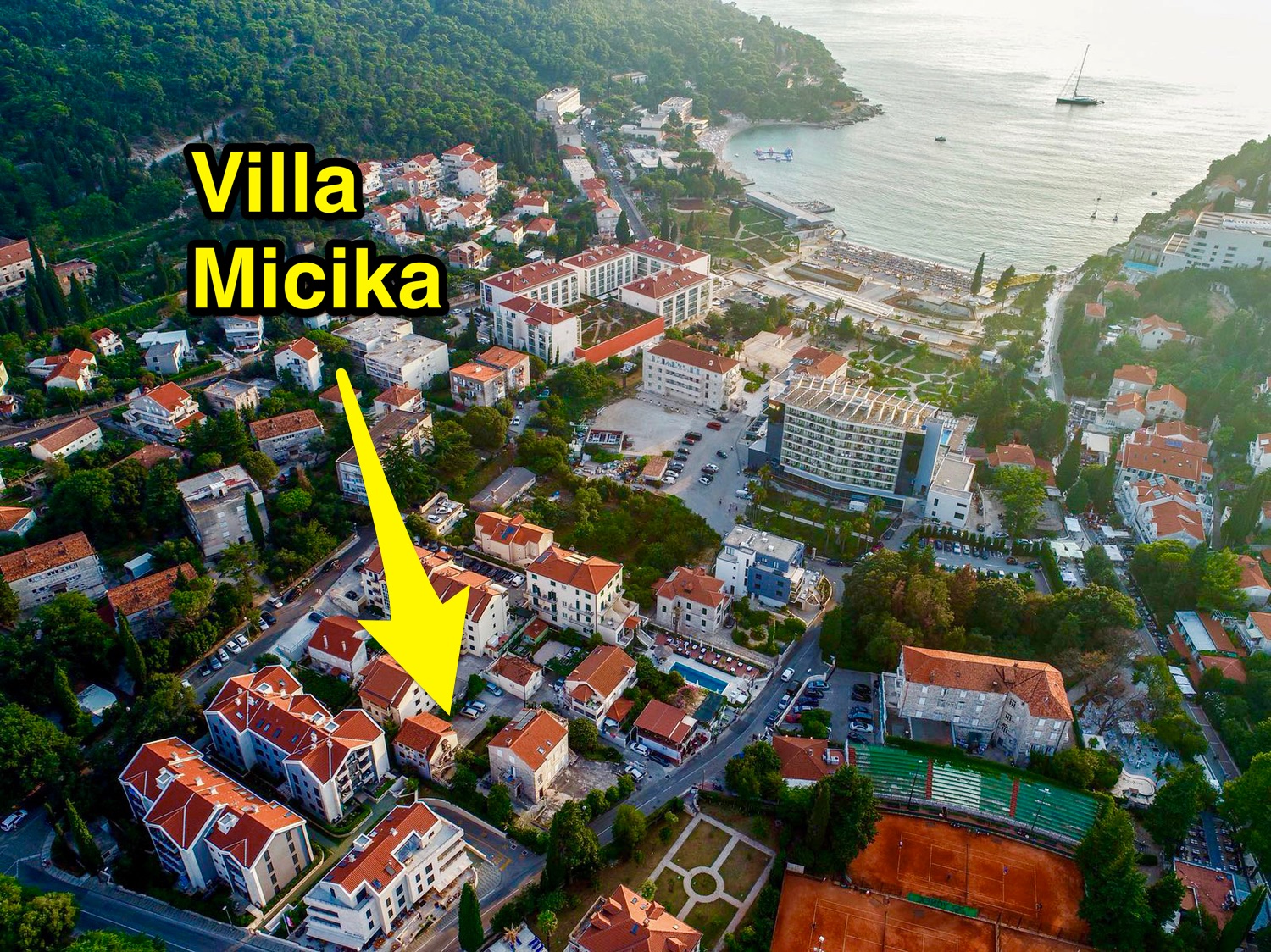
Address:- Mata Vodopića 10, 20 000 Dubrovnik Croatia
Email:- info@vilamicika.hr
Visit here:- https://www.vilamicika.hr/en/


Comments
Post a Comment